










Rote & Timor Surf Travel Guide
As the more popular surf regions in Indonesia like Bali, The Mentawai and Sumatra become more crowded, more and more surfers are seeking alternatives. Timor and Rote are destinations where adventurers have been finding real quality without the crowds. Most crew head to Rote, a little island off the south-west coast or West Timor that has an great mix of offshore island reef breaks including the kilometre-long left at T-Land.
Where to surf
T-Land
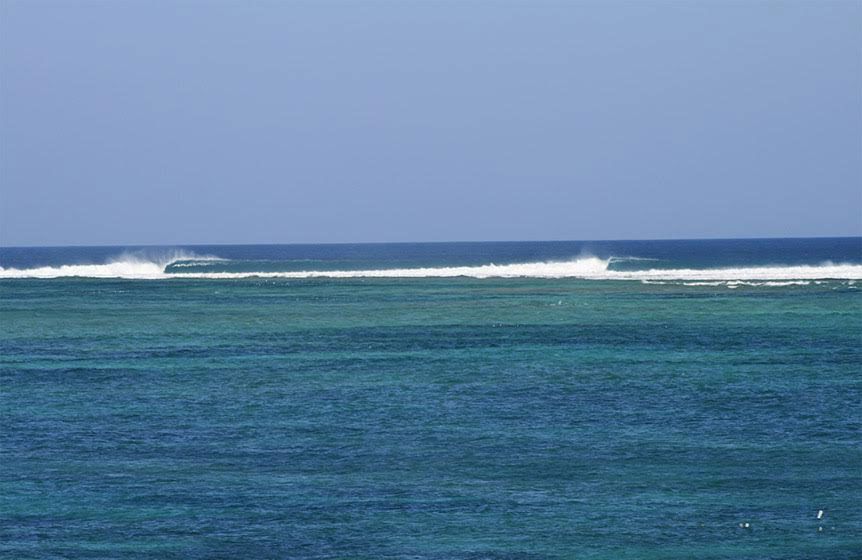
The main Rote´s wave and one of Indonesia’s longest. Its quality and consistency mean it can be surfed from 2ft to 15ft. It has three sections with different levels of difficulty and is often compared with G-Land.
Bo’a
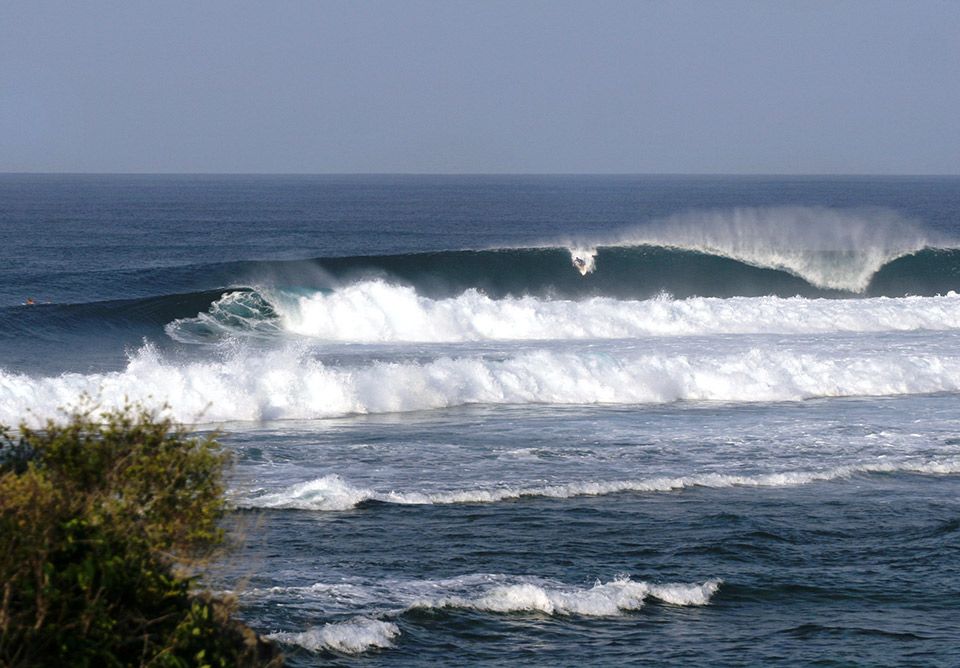
Located directly in front of NIHI Rote on Bo’a Beach, this is the resort’s signature wave and one of the most exciting rights on the island. Bo’a Barrel is a fast, hollow right-hand reef break that can offer powerful barrel sections when the swell and tide line up. The wave is best suited to confident intermediate and advanced surfers, with direct beach access making it the main draw for surfers staying at NIHI Rote.
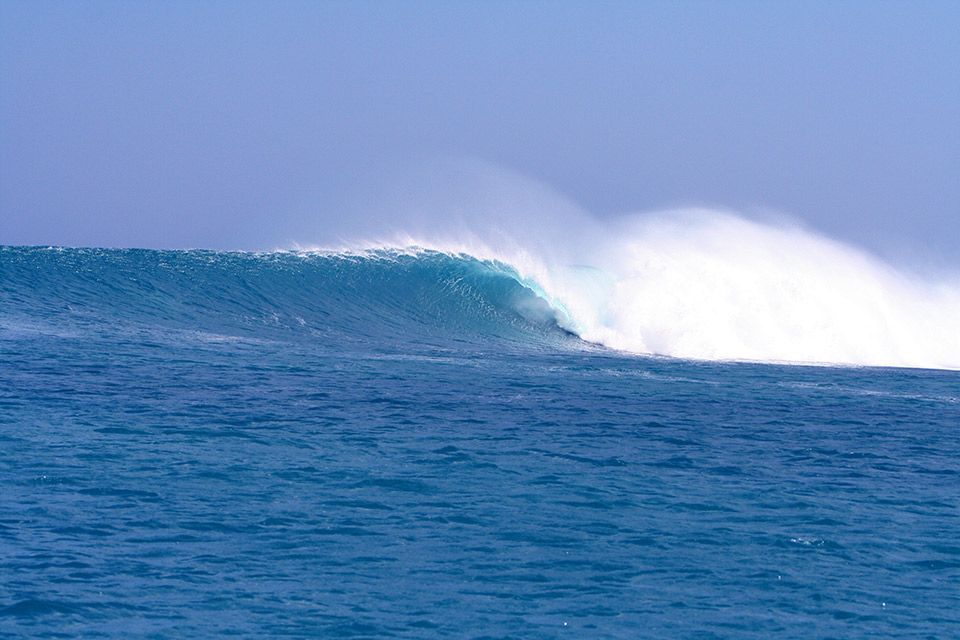
Sucky Mamas
Also known as Suckies or Sukanamon, this is a short, hollow right-hand reef break located north of Nembrala. It is known for powerful barrel sections and a more serious take-off, especially when the swell has size. Access is usually by boat, and the wave is best suited to advanced surfers looking for a fast, intense right-hander away from the more common Rote surf zones.
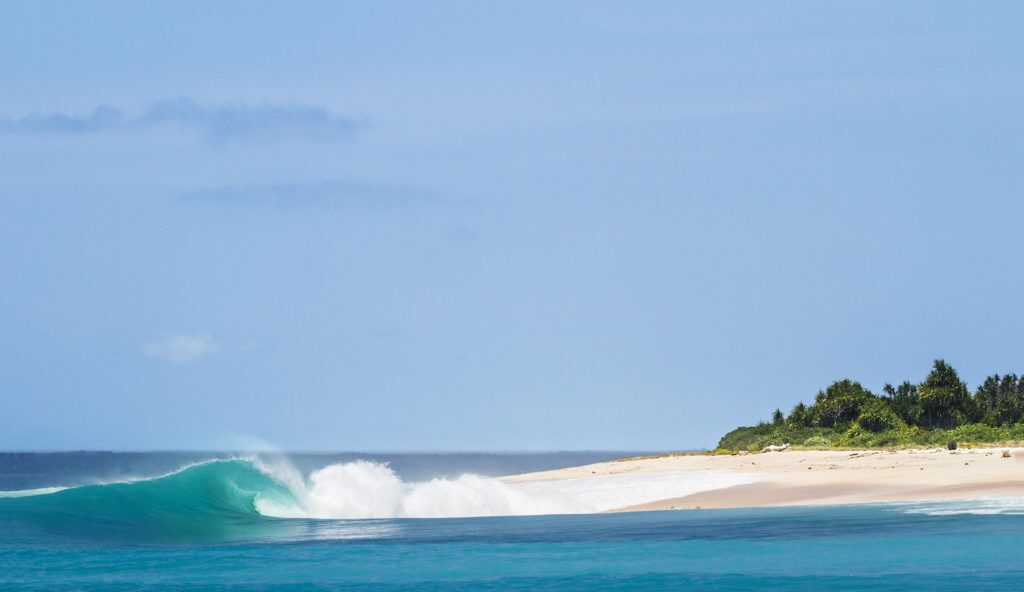
Do’o
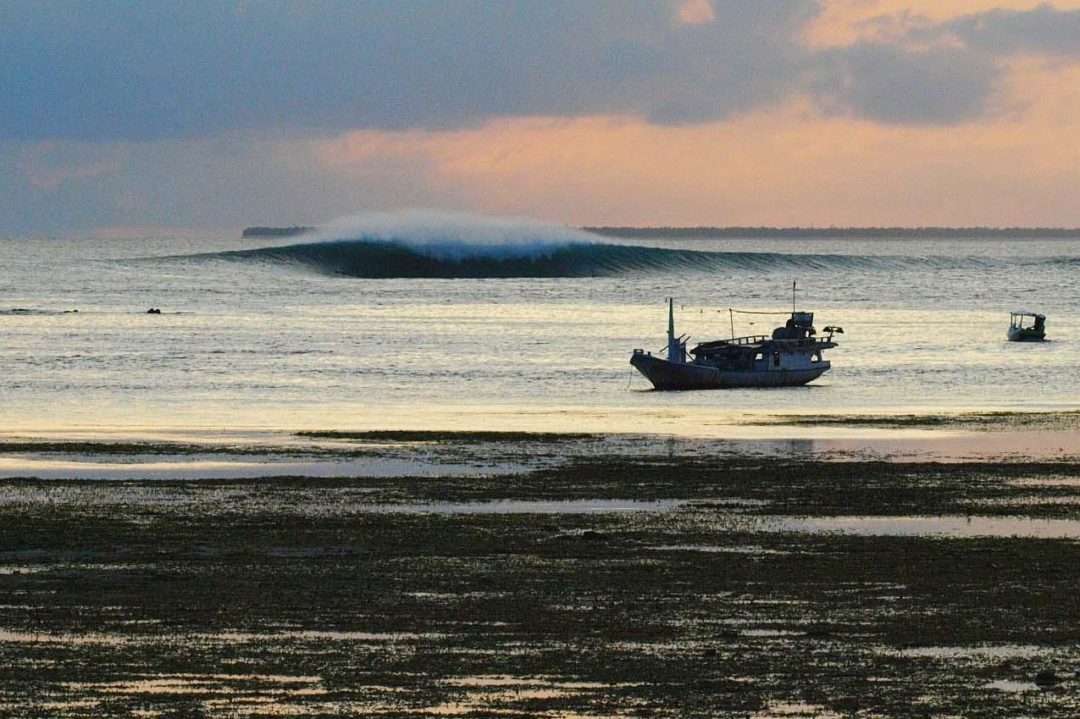
The Bommie
Located in the Nembrala bay area, The Bommie is a shorter and more intense wave that can break left and right, with the right often considered the better option. It is a powerful reef break with strong currents and a more exposed take-off, making it better suited to experienced surfers. It generally needs a solid swell to work properly and is usually approached with local knowledge.
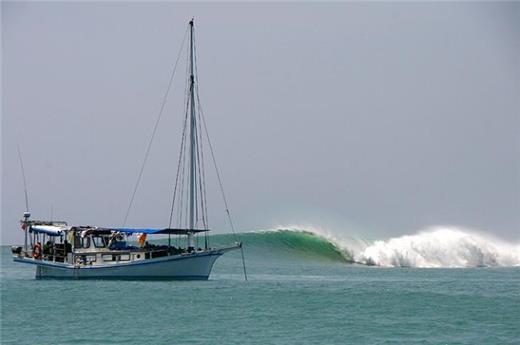
Peanuts
Squealers
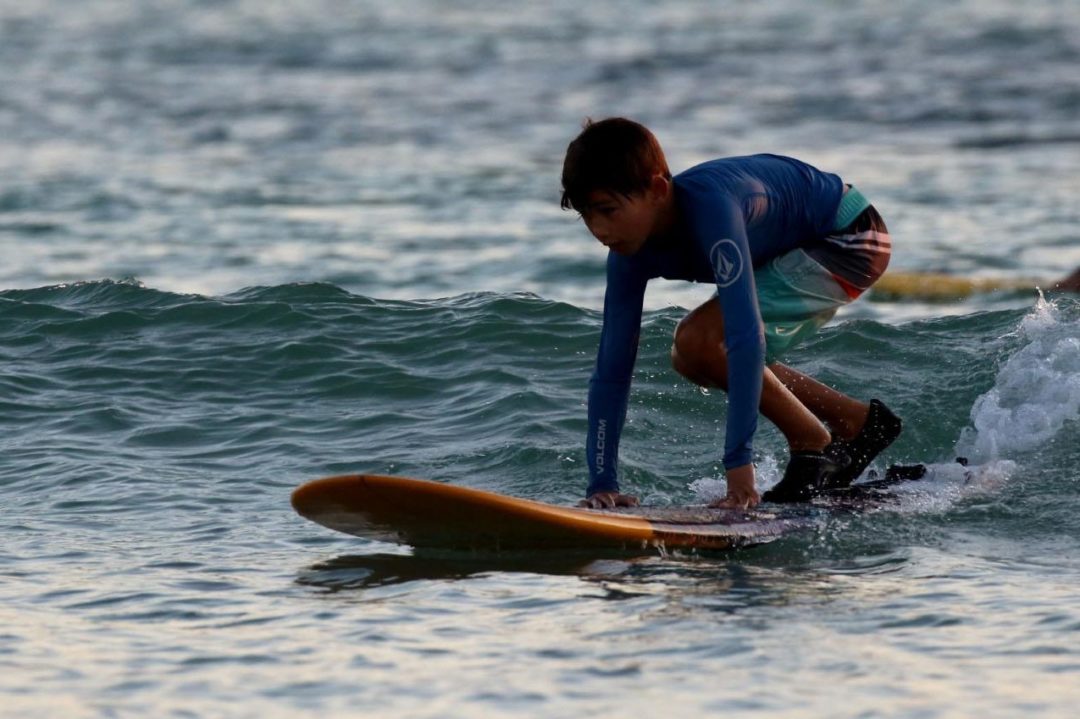
Located near Nembrala, Squealers is one of the more approachable waves on Rote when conditions are suitable. It can offer softer, more forgiving waves than the island’s heavier reef breaks, making it a useful option for surfers still building confidence. It works best with the right tide and swell, and is often considered one of the friendlier waves in the wider Rote surf area.
When to go
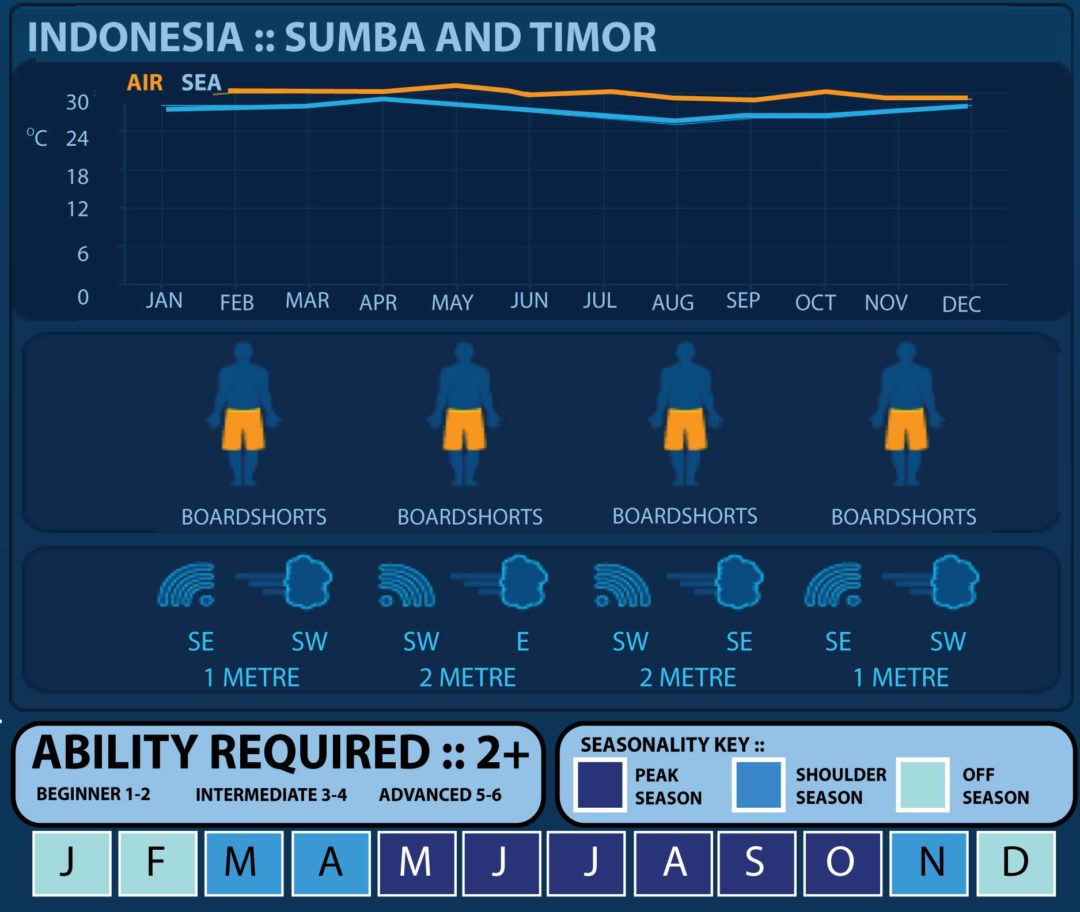
Tucked in above Australia the region has a narrow swell window with only its SW corner facing directly into the Indian Ocean swells. There are however numerous quality set ups that come to life in south-west swells, most common from March to November. This time features also south-east trade winds that are offshore. And unlike some other islands in the archipelago, the locals are friendly to the few surfers in their waters.
Attractions
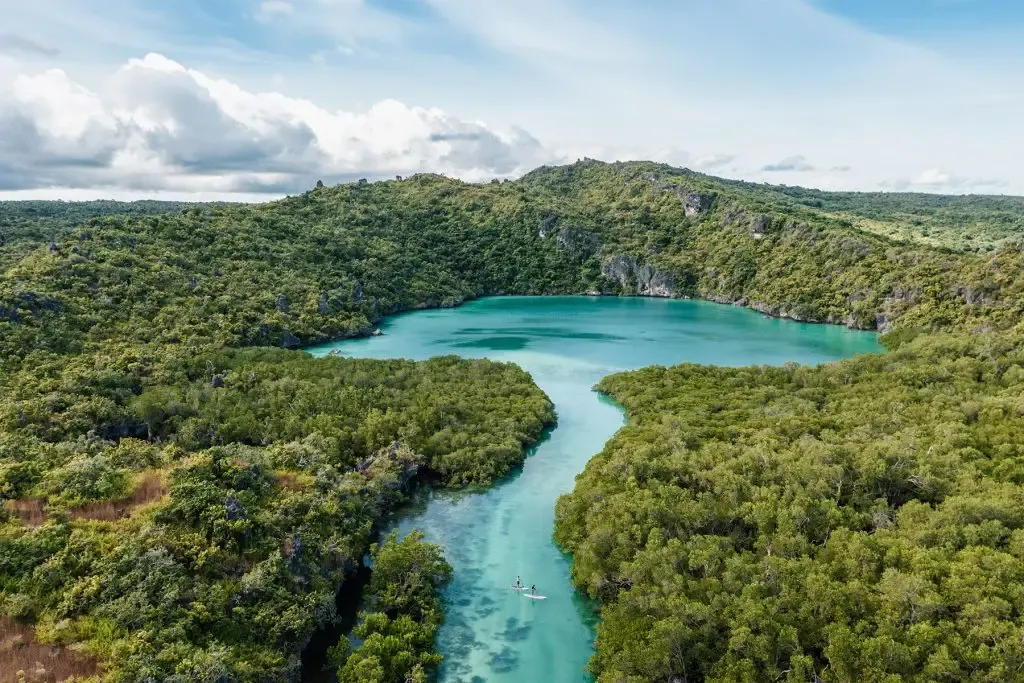
Rote and Timor huge extension of desert beaches and extraordinary sea life make it a unique destination where you can find neither western distractions nor car and bike noises. The fishing and diving is incredible, while the friendships made with the villagers living peacefully in thatch roof and bamboo wall huts will last a lifetime.
The Country
Indonesia is the world’s largest archipelago, stretching across thousands of islands between the Indian and Pacific Oceans. Rich with tropical coastlines, volcanic landscapes, coral reefs and diverse island cultures, it remains one of the great adventure destinations on earth. For surfers, Indonesia is legendary, with warm water, consistent swell and reef breaks that have shaped modern surf travel.
Beyond the better-known islands, places like Rote offer a quieter and more spacious way to experience the country, with village life, white-sand beaches, dry tropical scenery and a slower rhythm. Indonesia’s long history, cultural diversity and warm hospitality make every journey feel different from island to island, especially for travellers who arrive with curiosity, patience and respect.
Getting There
For international flights, most travellers will first fly into Ngurah Rai International Airport in Denpasar, Bali (DPS), or Soekarno-Hatta International Airport in Jakarta (CGK). From there, you will connect through Kupang, the main gateway to Rote and East Nusa Tenggara. Travellers usually continue from Kupang to Rote by short domestic flight or ferry, depending on schedules, weather and the final resort arrangements.
Once on Rote, transfers are arranged by road to your chosen surf resort, with travel times varying depending on whether you are staying around Nembrala, Bo’a Beach or another part of the island. For the smoothest trip, we recommend confirming domestic connections, board bag allowances and arrival transfers before booking international flights.
Travel Information
Time Zone
UTC +06:00
Currency
RUB
Calling code
+62
Electric
230 V – Plug type C, F
 Recommended Resorts