







Guadeloupe Surf Travel Guide
Guadeloupe is a French overseas department and region in the Caribbean’s Leeward Islands, part of the Lesser Antilles. Along with Barbados, it is one of the eastern Caribbean’s more consistent surf destinations, picking up regular trade-wind swell as well as winter north swells generated by cold fronts moving off the US East Coast. Like Barbados, conditions can often be windy, and waves rarely get much bigger than eight feet.
The main islands, Grande-Terre and Basse-Terre, are joined in the middle and form Guadeloupe’s famous butterfly shape when viewed from above. The islands feel distinctly French, but with a strong local Creole identity. Most of the better-known surf spots are found on Grande-Terre, which is more exposed to Atlantic swell. Basse-Terre is less consistent for regular north and northeast swell, but can come alive during cyclone season when south to southeast or southwest swells wrap in. Offshore, Marie-Galante and La Désirade offer further potential for surfers willing to explore.
Quick Facts
French and Creole mix in the heart of the Caribbean
Warm, clean and tropical water and mix of reefs and points
Wind affected, but sheltered spots all over the islands
Wide variety of activities from hiking up the Soufriere Volcano to scuba diving.
Where to Surf
Grande-Terre benefits from a deeper offshore valley pointing towards the Atlantic northeast swell source, making it the most consistent of Guadeloupe’s main islands. Basse-Terre is less exposed to regular northeast swell, so it usually needs a big northerly swell or rare west hurricane swell to light up its prime spots.
Best Surf Breaks
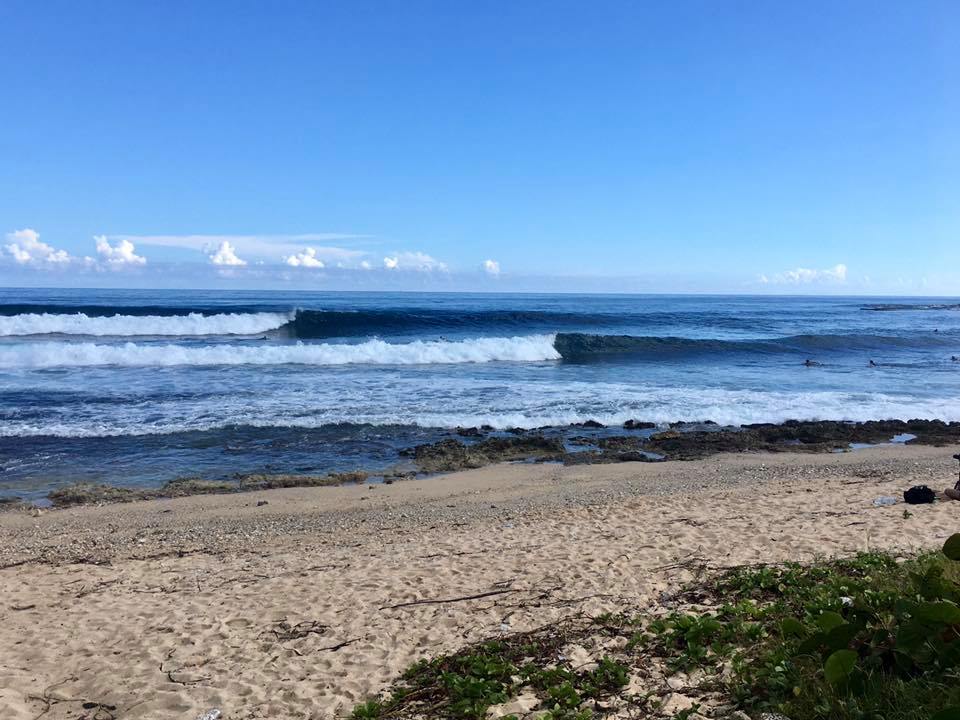
Damencourt
The most popular wave on the island. If you’re looking for consistency, then it’s your spot! Usually works better with N – NE swell and south wind.
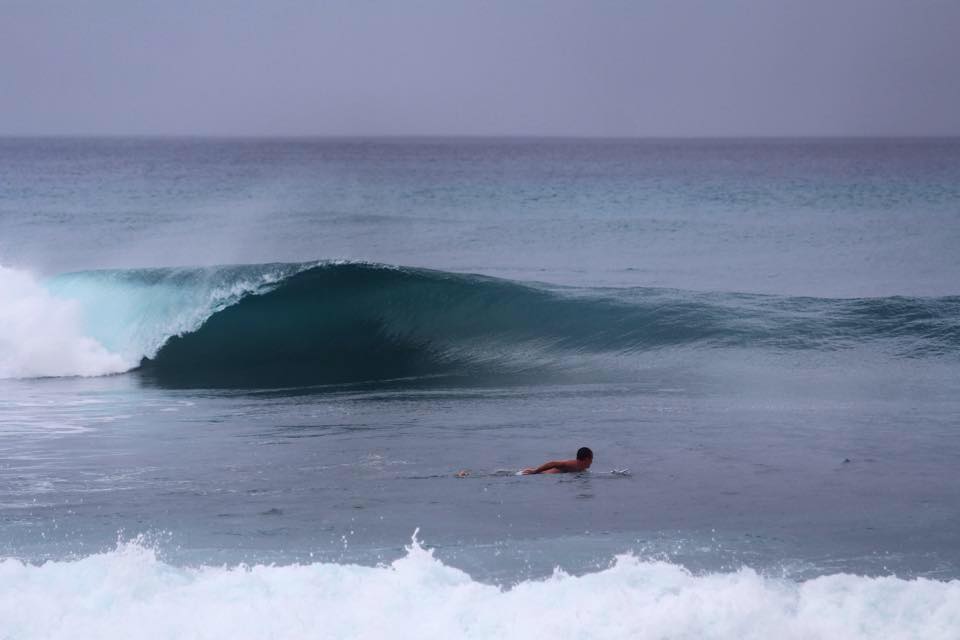
T2 – Damencourt
Little steep left on the Damencourt surf break. Optimal conditions are N swell with light SE wind producing 3 to 4 ft barrels.
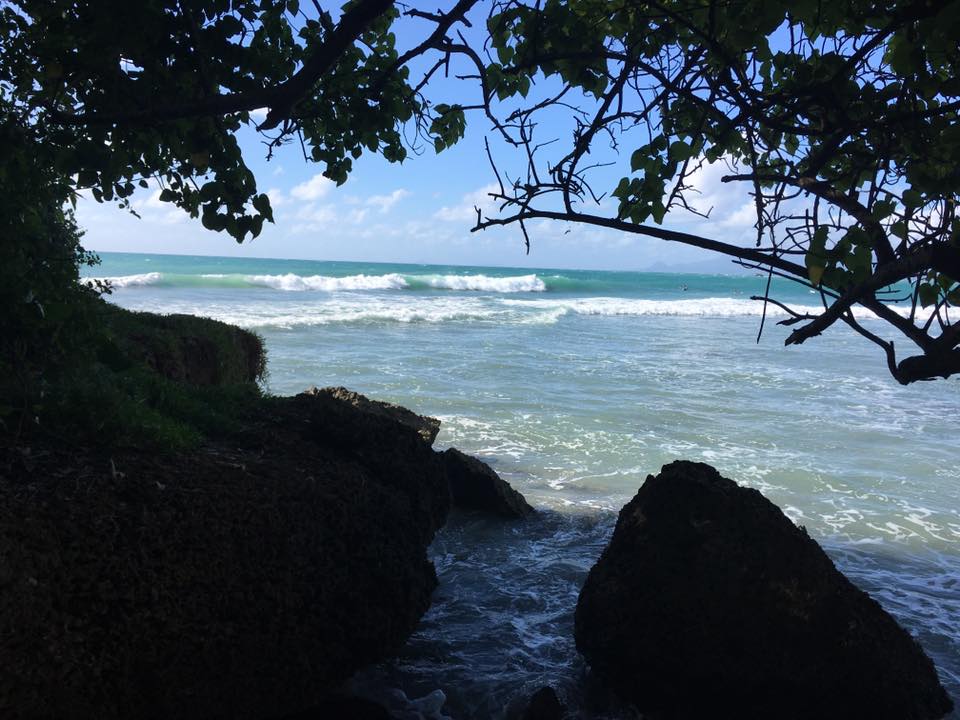
Petit Havre
Quality left that attracts plenty of surfers looking for ledgy barrels and some NE-E wind protection.
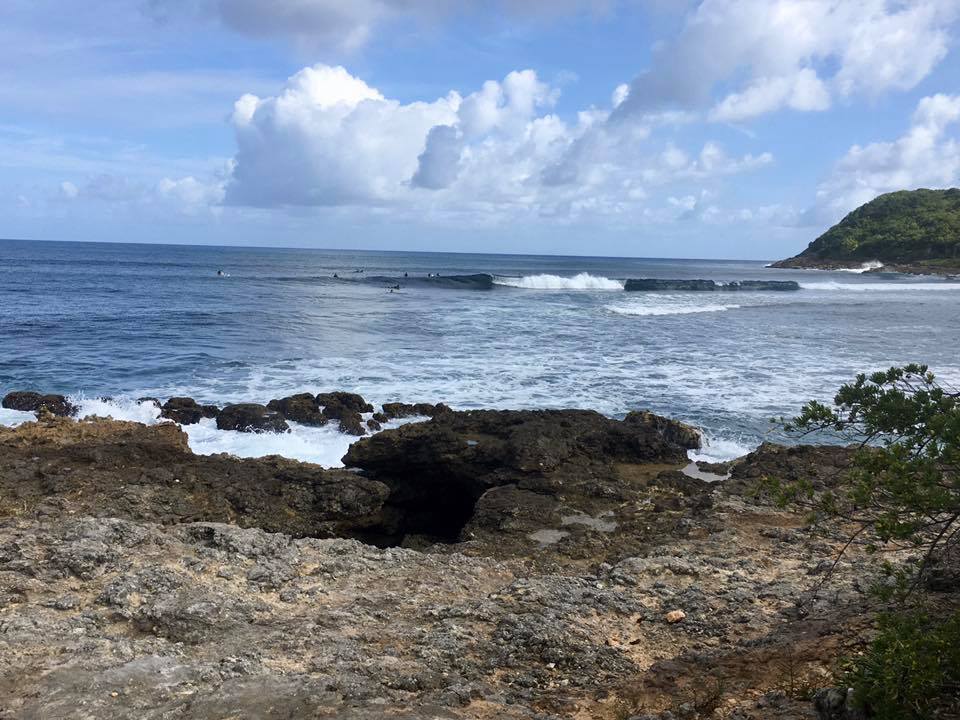
Anse a la Bouelle – Right
The best wave on the island that is a peak with long, playful, tapering right walls. Getting in the water can be tricky.
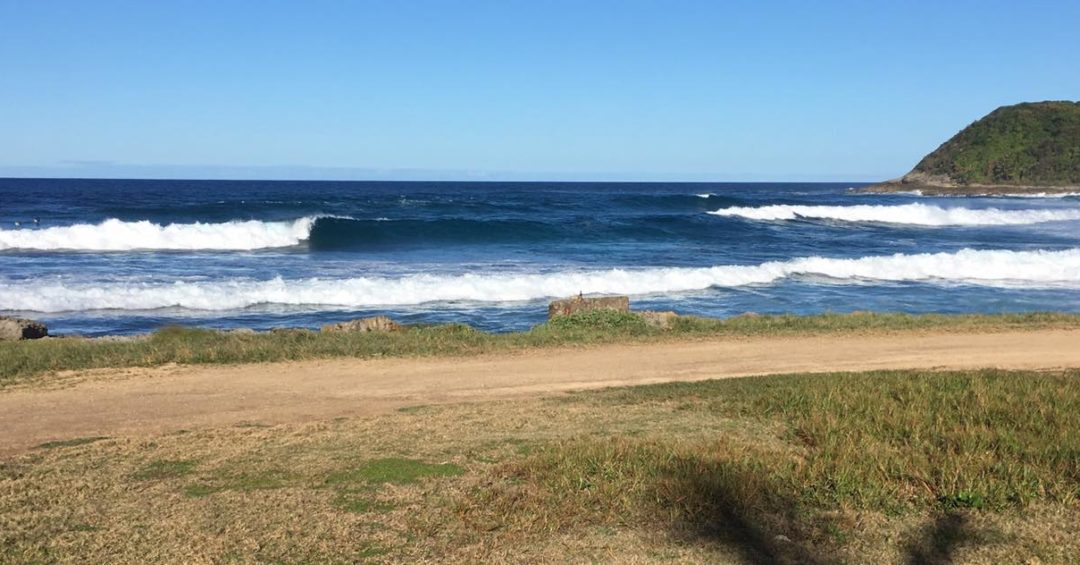
Anse a la Bouelle – Left
One of the best wave on the island. Very consistent and working the most in winter, this wave produces long and steep left eding on the reef. Getting in the water can be tricky.
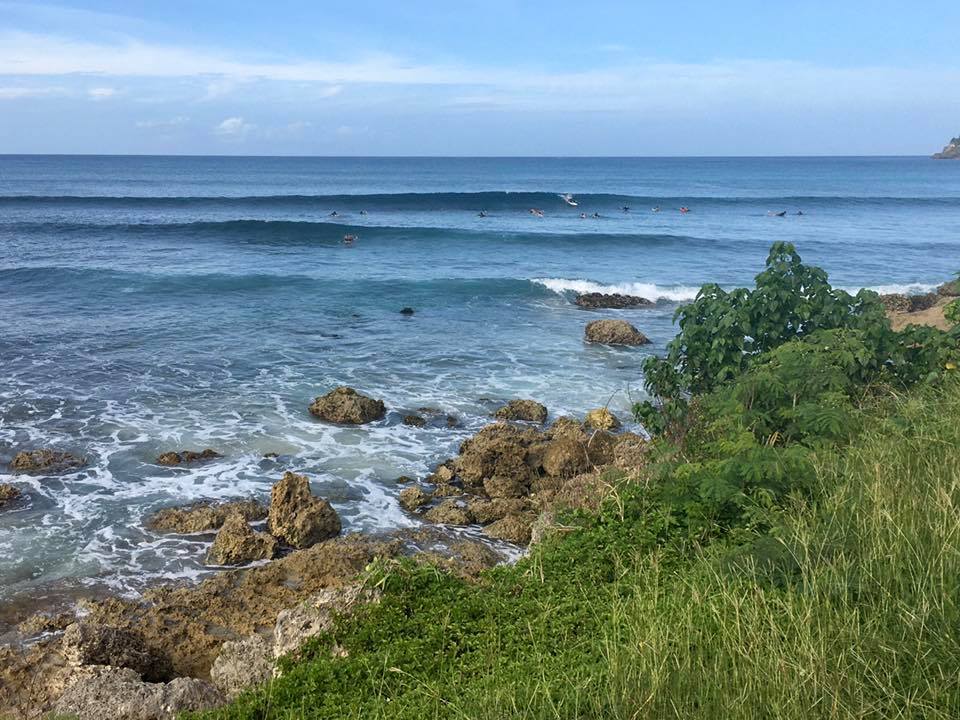
La plage de la Chapelle
Works on N – NE swells ad provide you a choice of two waves. Le Plombier which is a very tubular and shallow wave and the Right/Left right in front of the cliff.
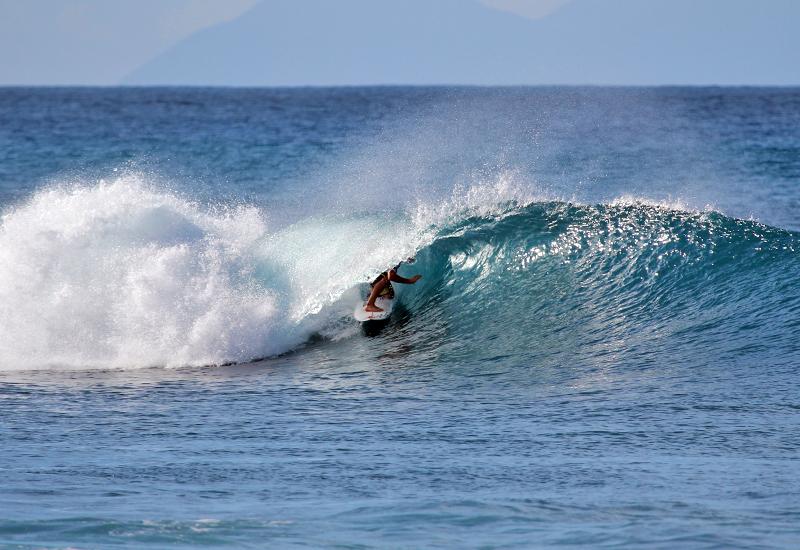
Plombier
Located in La Plage de la Chapelle, le Plombier is a very tubular and shallow wave. It usually works with N/NE swells. Perfect wave for the barrel chasers.
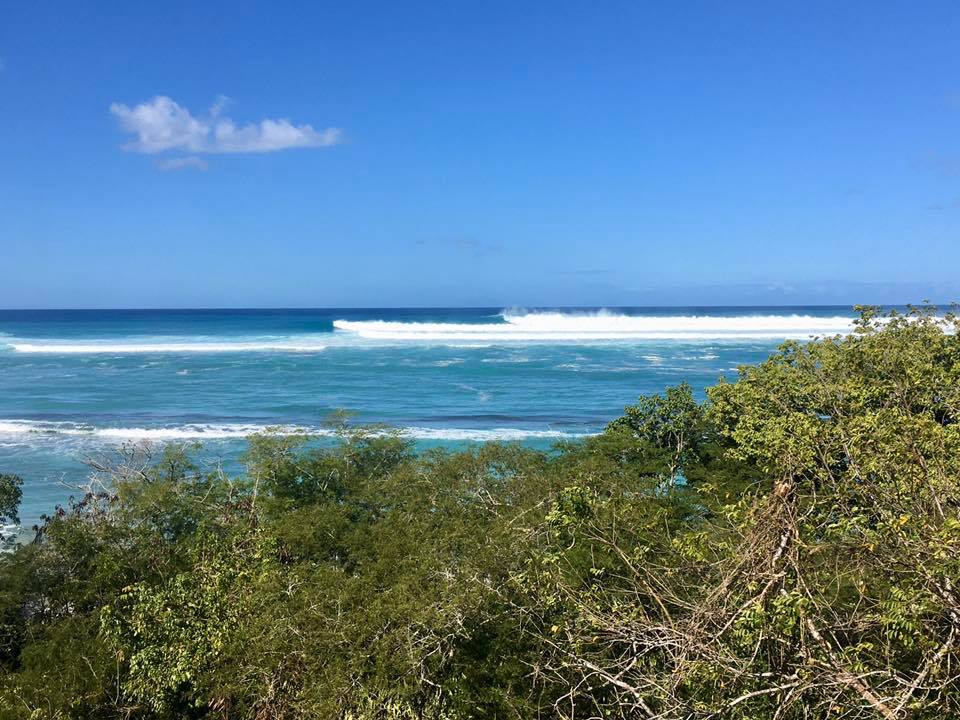
Port-Louis
Rare break, usually working during winter. Pristine water, perfect lefts and rights make Port-Louis one of the best surf break in Guadeloupe.
When to go
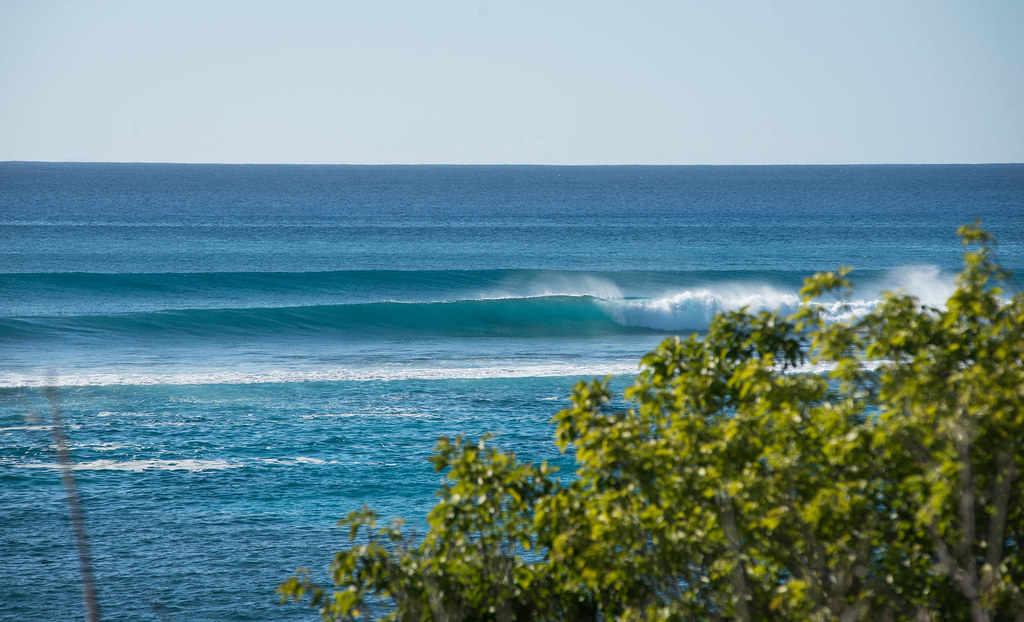
The main Atlantic swell season runs from autumn through spring, with winter usually offering the strongest and most consistent waves. North and northeast swells generated by winter systems in the North Atlantic can light up Grande-Terre, while summer is generally smaller, less consistent and more affected by trade winds. Some of the better-positioned breaks can benefit from the prevailing northeast winds, but conditions vary by spot and swell direction. Water temperatures stay warm year-round, usually around 26–29°C, so most surfers will be comfortable in boardshorts or swimwear, with a rash vest or light neoprene top useful for sun, wind and reef protection.
Attractions
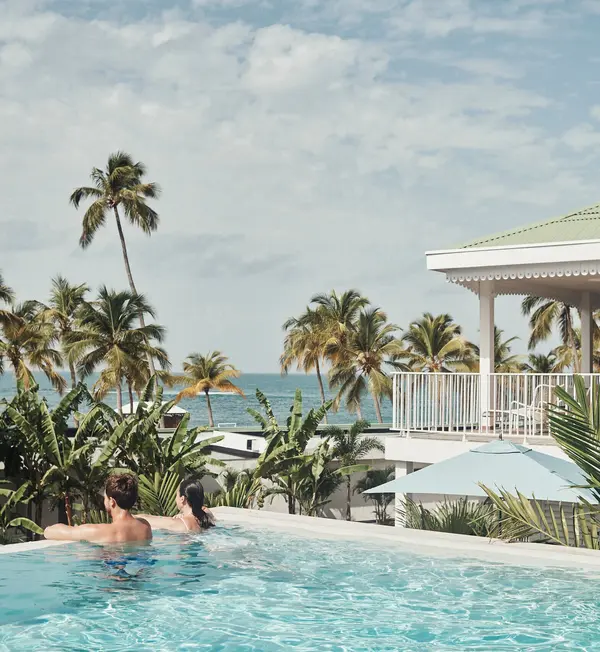
The Guadeloupe Islands offer a very wide selection of activities. You could be hiking up the Soufriere Volcano, diving, island hopping or sun baking on beautiful beaches. Add the great mix of French and Creole culture and food and this is a unique slice of Caribbean paradise.
The Country
Guadeloupe, a French overseas region in the eastern Caribbean, is an island group in the Leeward Islands of the Lesser Antilles. Its two largest islands, Grande-Terre and Basse-Terre, resemble a butterfly and are separated by the narrow Rivière Salée. Grande-Terre is known for its long beaches, rolling countryside and sugarcane fields, while Basse-Terre is mountainous, volcanic and home to Parc National de la Guadeloupe, Carbet Falls and La Grande Soufrière. Smaller islands include Marie-Galante, La Désirade and Les Saintes.
Getting There
Guadeloupe is served by Pointe-à-Pitre International Airport (PTP). From the US, the main direct route is from Miami, with onward connections available from other US cities. Travellers from New York and other North American cities may need to connect via Miami, Canada, or another Caribbean hub, depending on the season and current flight schedules.
Travel Information
Time Zone
GMT -04:00
Currency
EUR
Calling code
+590
Electric
230 V – Plugs C, D and E
 Recommended Resorts