















Travelling to Fiji in 2026: What Surfers Need to Know
Warm water, world-class reef passes like Cloudbreak, and laid-back island hospitality make Fiji one of the great surf destinations on the planet. If you are planning a Perfect Wave surf trip to Fiji in 2026, this guide covers the key travel essentials, including entry requirements, transit, logistics, safety, and surf-specific tips.
For official Government Travel Advice: Australia – Smartraveller.
Summary
- Many travellers, including Australians, can enter Fiji without arranging a tourist visa in advance and are typically issued a visitor permit on arrival, subject to Fiji Immigration requirements.
- If you are transiting Fiji within 72 hours after entry, a transit visa may be required before arrival. Check this carefully with Fiji Immigration and your airline.
- Travel insurance is strongly recommended, especially for surf travel, medical treatment and possible evacuation, but it is not generally an entry requirement.
- Travellers are responsible for checking the latest official guidance before departure, including Fiji Immigration, airline rules and government travel advice.
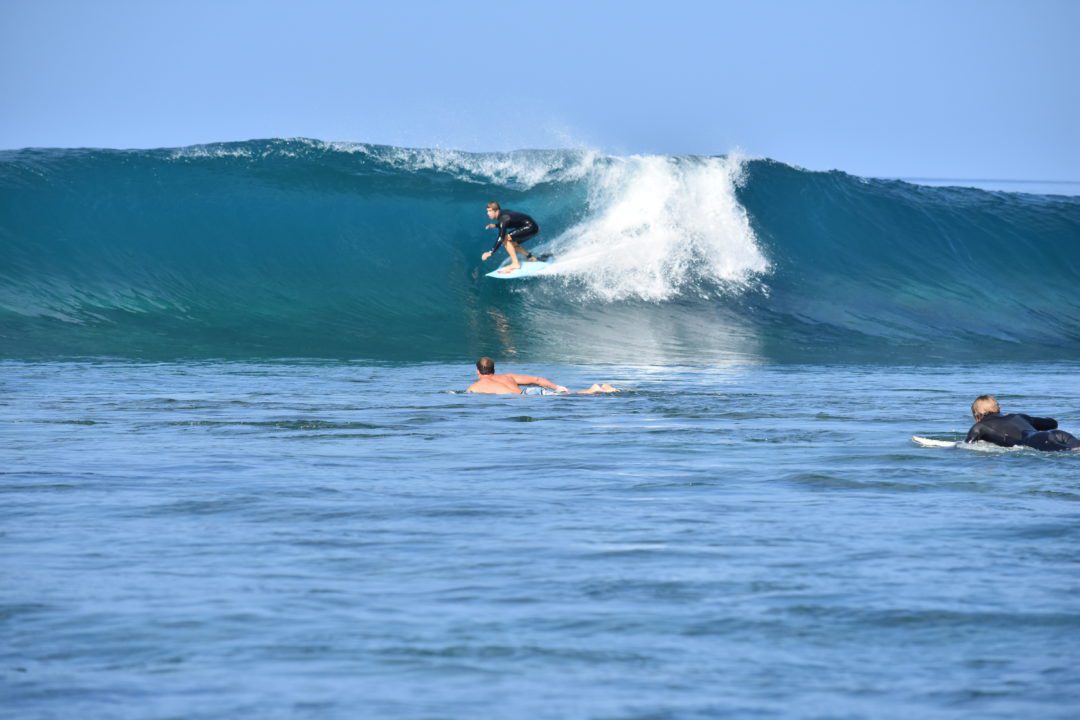
South Coast breaks in Fiji
Entry Requirements and Visas for Fiji in 2026
Fiji uses a mix of visa exemption and pre-travel visa approval depending on your nationality and purpose of travel. Many leisure travellers can enter on a visitor permit issued on arrival, while others need to arrange a visa before departure.
1. Passport Validity
Your passport should be valid for at least six months beyond your travel period. This is the safest approach for Fiji travel and also helps avoid transit issues on the way.
2. Visitor Permit or Visa
- Visa-exempt travellers: Many nationalities, including Australians, are generally issued a visitor permit on arrival.
- Length of stay: Visitor permits may be issued for varying periods, up to a maximum of 4 months, depending on immigration clearance.
- Non-exempt travellers: Must obtain the correct visa or permit before travel.
- Extensions: A visitor permit may be extendable before expiry, but this should never be assumed when planning your trip.
3. What You May Need to Show on Arrival
Fiji Immigration says travellers may need to present the following at immigration clearance:
- a valid passport
- a return or onward ticket
- a visa approval letter if your nationality is not visa-exempt
- a completed arrival card
- a confirmed address in Fiji
- proof of sufficient funds
As with any international trip, check the latest official requirements again before flying, especially if your routing or nationality makes your case less straightforward.
Transit and Stopovers
If Fiji is only a stop on your way to another destination, pay close attention to the transit rules. Fiji Immigration states that visitors transiting Fiji within 72 hours after entry need to apply for a transit visa before arrival.
That means the old assumption that every short stopover is simple or automatic is not always correct. Whether you need a transit visa can depend on your nationality, how you are ticketed, whether you formally enter Fiji, and the entry requirements of your onward destination.
Best practice: check your itinerary with both your airline and Fiji Immigration well before departure.
Essential Travel Logistics
Getting There
For most Perfect Wave surf trips to Fiji, Nadi International Airport (NAN) is the main arrival point. It is the key gateway for the Mamanucas, Coral Coast and many popular surf resorts. Some itineraries may involve onward domestic or boat transfers depending on where you are staying.
For premier reef breaks such as Cloudbreak, access is generally by boat transfer through your resort or a licensed operator. These are not paddle-out-from-the-beach waves.
Connectivity
Fiji is easy enough for travellers to manage, but mobile coverage and Wi-Fi quality can vary depending on how remote your island or surf resort is. It is sensible to assume stronger service around major population and tourism hubs, with patchier service in more remote locations.
If staying connected matters, check directly with your resort or boat operator before departure rather than relying on generic assumptions.
Electricity, Plugs and Voltage
- Voltage: 240V
- Frequency: 50Hz
- Plug Type: Type I
Action: Bring a Type I adapter. Most modern phones, laptops and chargers are dual-voltage, so they usually only need the correct plug adapter.
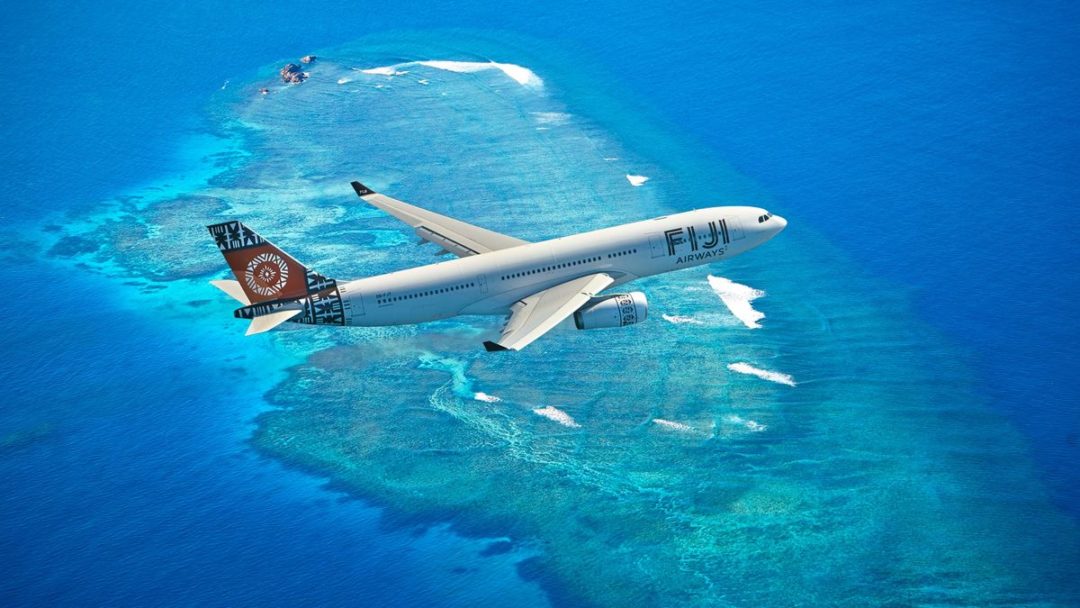

Nadi International Airport is the main gateway for most Fiji surf trips
Safety and Health
General Safety
- Use licensed transfers and reputable operators.
- Keep valuables secure, especially in urban areas and at night.
- Be alert around ATMs and cards, as opportunistic theft and card fraud can occur.
- In cyclone season, usually from November to April, monitor forecasts and follow local advice.
Health and Surf Safety
- Insurance: strongly recommended, especially for medical treatment, surf injuries and evacuation.
- Medical care: standards may be lower than in Australia and serious cases can require evacuation.
- Reef awareness: many breaks are over shallow coral, so reef cuts are a real risk.
- Boat access: major outer reef breaks should be accessed through experienced operators with proper safety procedures.
- Heat and sun: tropical sun, dehydration and long surf sessions can wear you down quickly, especially if you underestimate the conditions.
Surf in Fiji
Fiji is not a one-wave destination. It offers everything from playful reef setups to serious, heavy outer-reef surf.
- Best season: Fiji is surfable year-round, but May to October is generally the prime period for southern swell and many of the best-known reef breaks.
- Main zones: the Mamanucas, Coral Coast and selected outer-island regions all offer quality surf.
- Well-known breaks: Cloudbreak, Restaurants, Namotu Lefts and Frigates are among the names that draw surfers from around the world.
- Board choice: bring your everyday board and a step-up if there is any chance of scoring proper swell.
- Essentials: extra leashes, reef-safe sunscreen, a basic surf first-aid kit and a sensible respect for coral reef environments.
To explore the waves in more detail, see our Fiji Surf Travel Guide.
Customs, Allowances and Practical Tips
Fiji has customs and biosecurity rules that travellers should take seriously. Food, weapons and sexually explicit material can attract restrictions, and customs officers may inspect luggage on arrival.
There are also normal passenger allowances for some goods. According to the Fiji Revenue and Customs Service, eligible adult travellers may bring limited quantities of alcohol and tobacco duty-free within the published allowances.
- Alcohol allowance: up to 3 litres of spirits, or 4.5 litres of wine, or 4.5 litres of beer, or an equivalent combination within the stated limits
- Tobacco allowance: limited quantities apply within FRCS rules
- Currency: amounts of FJ$10,000 or more, or foreign currency equivalent, must be declared on arrival
Always check the latest Fiji customs and biosecurity rules before flying, especially if carrying medication, food, large cash amounts, or specialist equipment.
Top 5 Picks for Fiji
1. Matanivusi | Luxury Fiji Surf Resort
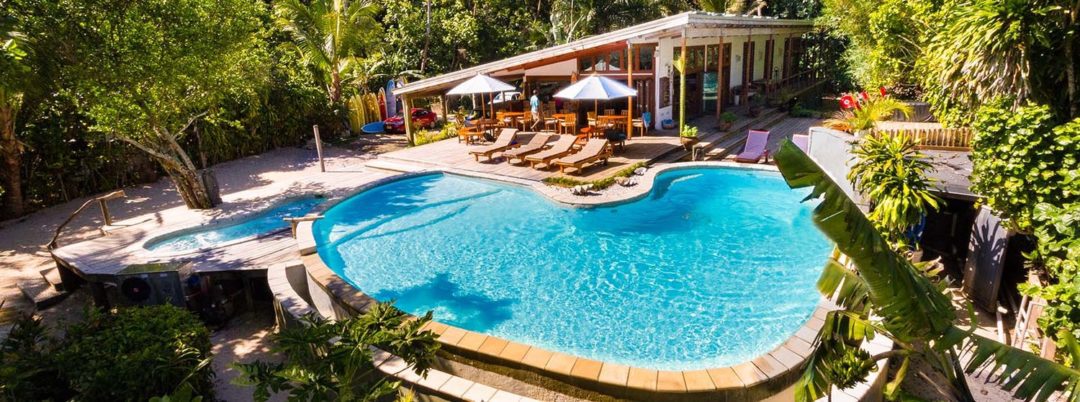
2. Six Senses Fiji | Luxury Surf Resort

3. Waidroka Bay Surf Resort
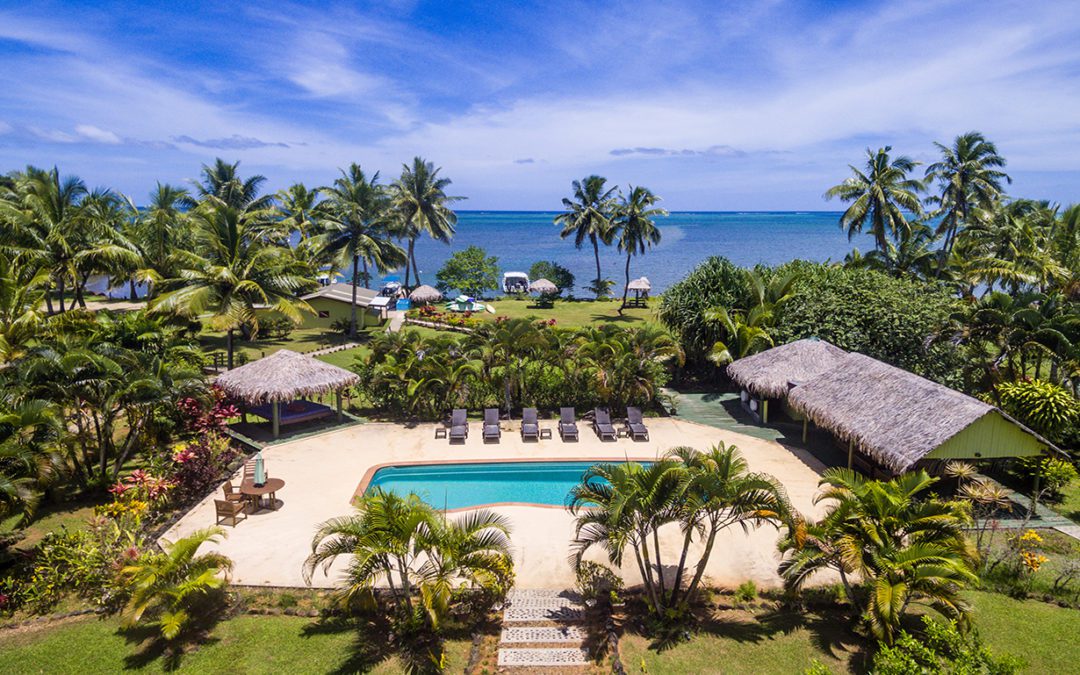
4. Plantation Island Resort
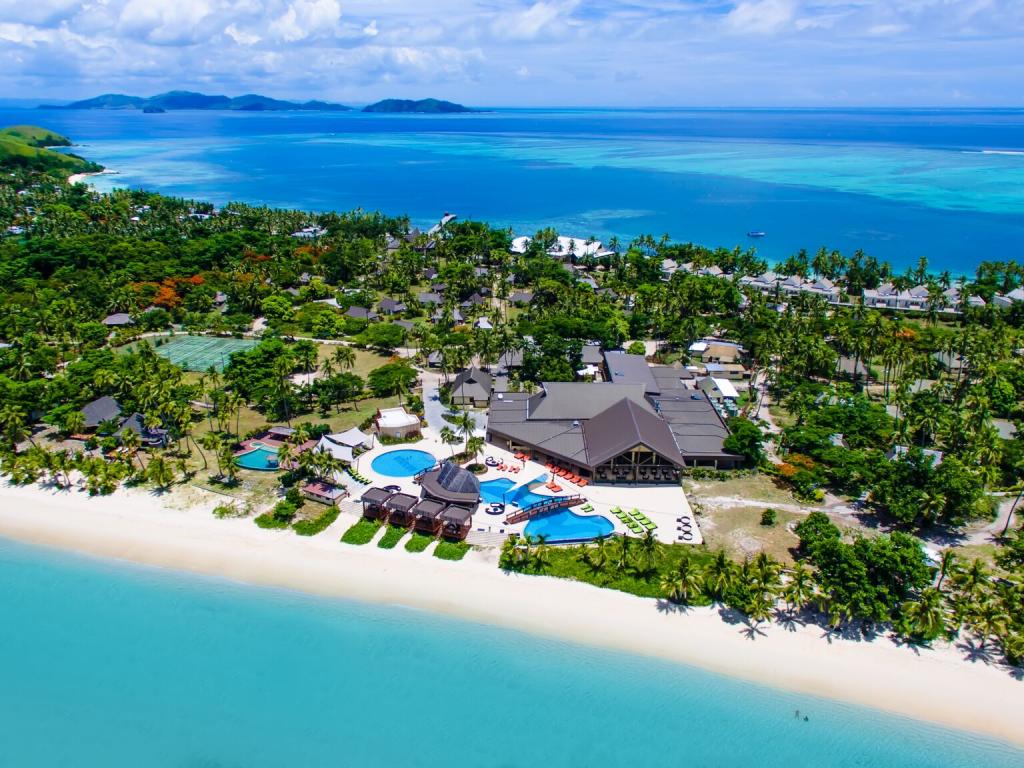
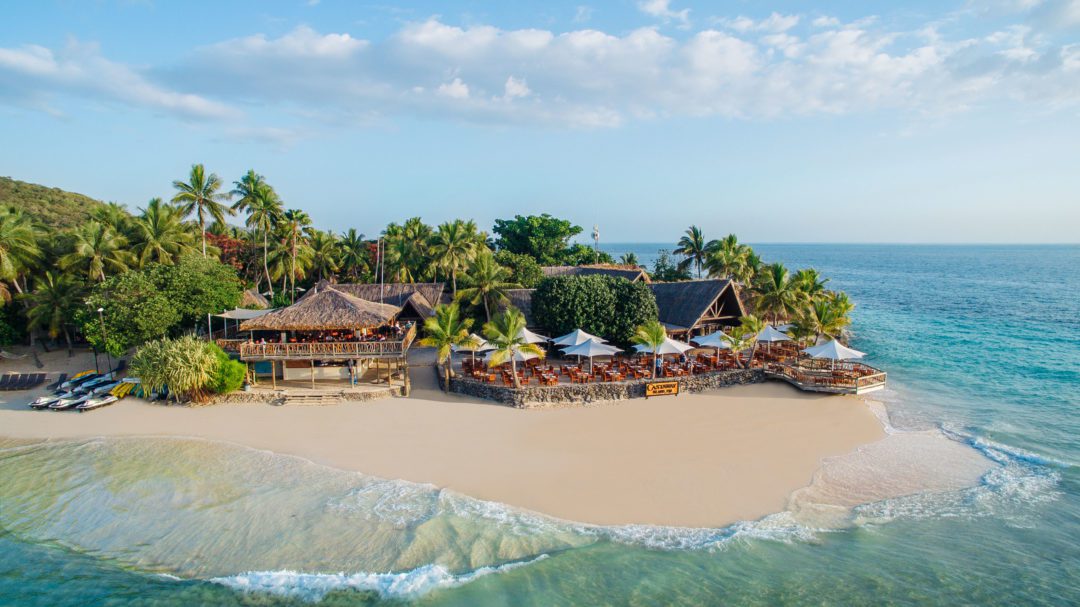
5. Castaway Island Resort
 Recommended Fiji Surf Resorts
Waidroka Bay Surf & Dive Resort is one of Viti Levu's best-value resorts, and a great place to stay for relax in proximity to the best waves
Surf, dive and fish all day, then watch the sunset over the ocean while enjoying dinner.